
A Faster, More Comfortable Braces Option
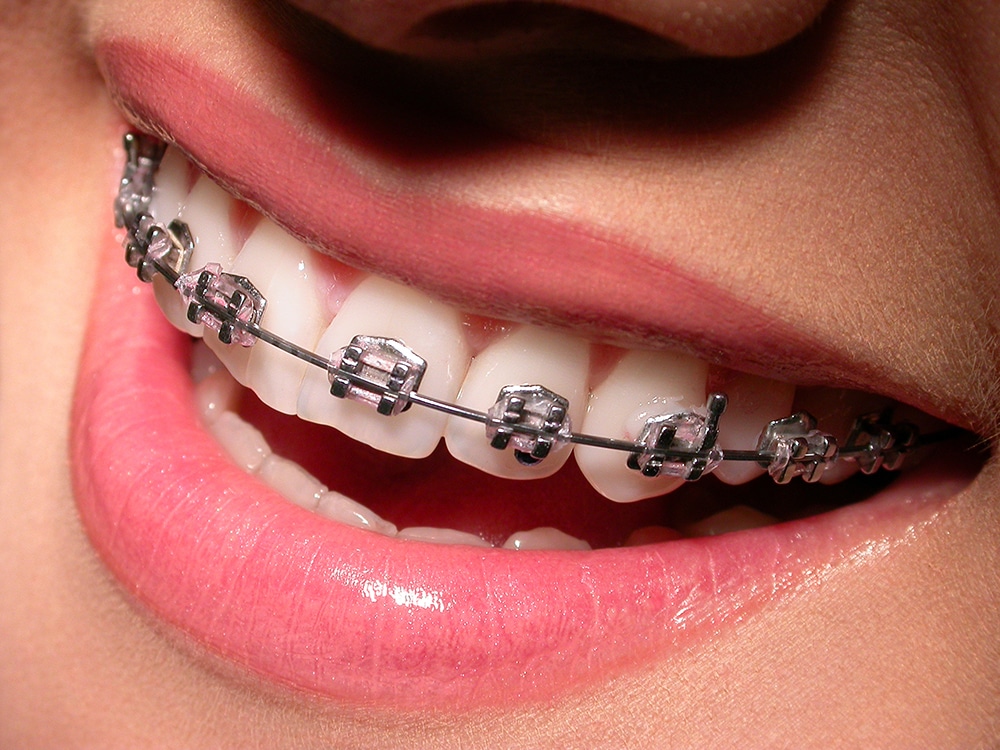
Many children and adults hesitate to begin orthodontic treatment due to the associated discomfort. Traditional metal braces have a reputation for feeling tight and uncomfortable. Fortunately, there’s a new option available: self-ligating brackets, which have revolutionized teeth straightening.
This advanced system is known for its versatility, efficiency, and efficacy and often gives patients a more pleasant treatment experience. Additionally, self-ligating braces in Basking Ridge or Mendham offer the choice of less conspicuous clear brackets for improved aesthetics. Designed with patients’ and orthodontists’ needs in mind, self-ligating brackets from The Orthodontic Studio may help you achieve the smile you desire without sacrificing convenience or results.
What Are Self-Ligating Braces?
Self-ligating braces are fixed orthodontic appliances that can correct teeth misalignment and bite irregularities. The technique utilized with self-ligating braces is quite different from traditional braces. This orthodontic treatment option does not rely on elastic bands or ties to gradually pull the teeth into better alignment, and it typically results in less friction and pressure during the process, which can provide greater comfort.
Self-ligating braces are also easier to clean and maintain, and fewer follow-up appointments should be necessary to adjust the brackets. This advanced system is known for its versatility, efficiency, and efficacy and often gives patients a more pleasant treatment experience. Additionally, self-ligating braces offer the choice of less conspicuous clear brackets for improved aesthetics.
How Do Self-Ligating Braces Work?
Unlike traditional metal braces, self-ligating brackets adjust themselves. No rubber bands (elastics) are needed, no wires need to be tightened, and significantly less pressure is placed on the teeth during treatment. The wire can slide freely, only adjusting the teeth out of position.
In addition to increased comfort, improved dental hygiene is possible since food is less likely to get stuck in the appliance. Self-ligating brackets are also smaller than traditional metal brackets and available in metal and clear options. The unique procedure also means fewer appointments and less hassle throughout treatment.
What Conditions Do Self-Ligating Braces Treat?
Self-ligating braces in Basking Ridge or Mendham can address “crooked” or “crowded” teeth, spaces and gaps, and bite issues such as underbite, overbite, and crossbite. Many of the same concerns traditional braces are designed to treat can also be successfully treated with self-ligating braces.
Who Is a Good Candidate for Self-Ligating Braces?
You may be a good candidate for self-ligating braces if you consider options to correct common orthodontic conditions such as general teeth misalignment or bite irregularities. While some patients with more severe or complex orthodontic concerns may benefit from another type of treatment, self-ligating braces can often present ideal solutions for individuals who may otherwise be treated with traditional braces. This option can offer effective and successful orthodontic correction in a more discreet, comfortable, and rapid way for many patients. During your initial consultation, our orthodontist will evaluate your needs and goals and help you determine whether self-ligating braces offer the best option.
How Are Self-Ligating Braces Different from Traditional Metal Braces?
Self-ligating braces can provide a more comfortable teeth-straightening experience for many people. This is partly due to the unique way the system gradually repositions the teeth. Traditional braces use metal brackets, rubber bands (elastics), and wires to exert gentle pressure on all the teeth, slowly shifting them into the desired position.
In contrast, the self-ligating system adjusts only the teeth out of alignment. Self-ligating brackets also make oral hygiene easier to maintain, and some patients enjoy a quicker and more efficient orthodontic experience.
How Much Do Self-Ligating Braces Cost?
Self-ligating braces are often around the same price as traditional braces. The total cost will be based on your customized treatment plan, the severity of the concerns being addressed, and other factors. Once you have been examined and the treatment plan has been developed, we can provide a more precise breakdown of the overall price.
A team member will be happy to discuss the total cost estimate with you and the many payment options accepted at our practice. We can help you navigate your dental insurance plan to determine whether coverage may be offered for this treatment and discuss other helpful financing options designed to make this part of the process more affordable and convenient.
Frequently Asked Questions (FAQs) About Self-Ligating Braces
We want you to feel as confident as you begin your orthodontic treatment. To help you become well-informed about your options, we have answered some of the most commonly asked questions about self-ligating braces in Basking Ridge or Mendham. If you want to learn more or are ready to schedule a consultation, we hope you will contact our skilled team soon.
What does self-ligating mean?
Self-ligating means that the archwire used to reposition the teeth can slide freely through the brackets without causing pressure universally across all teeth. The wire doesn’t need to be tightened like those associated with traditional braces, and no rubber bands are used. Both active and passive brackets are available, which offer greater customization for patients with a wide range of needs and goals.
Will my braces be obvious and highly visible?
Self-ligating brackets are smaller than traditional metal brackets, and they sit further from the cheeks, lips, and soft tissues, making them less prominent and more comfortable. Additionally, self-ligating brackets are available in clear ceramic, making them less conspicuous. If you’re particularly concerned with the appearance of your orthodontic system, we offer a range of unobtrusive and aesthetically appealing options, including Invisalign®.
Are self-ligating braces more expensive than traditional braces?
No, most self-ligating braces treatment plans are comparable in price to traditional metal braces. We recognize that orthodontia is an investment in the health, beauty, and function of your mouth, and we offer a range of financing options to help bring the cost of treatment into your budget. If you have any questions about fees, we will happily work with you and your dental insurance company to find a suitable solution. We are dedicated to providing exceptional orthodontic care to everyone who wants it.
Does the teeth-straightening process hurt?
While some minor discomfort initially is not uncommon, self-ligating brackets are designed to be as comfortable as possible. Some soreness can occur, and this effect can usually be relieved with over-the-counter medication. If you’re experiencing more significant aching or pain, contact us to determine if there is an issue with your appliance or treatment plan. We want you to have the best experience possible while enhancing your mouth’s function and your smile’s beauty. If you have a question or concern, we’re here to help you.
Self-ligating braces offer an innovative way to improve the function and appearance of your teeth and help you enjoy a more beautiful smile in less time. For more information about self-ligating braces in Basking Ridge or Mendham to schedule a consultation with one of our orthodontists, please contact our office today.
Schedule an appointment with Dr. Banasiak to start your journey towards a straighter, healthier smile. To learn more about our orthodontic options, contact The Orthodontic Studio in Basking Ridge and Mendham, NJ, today for more information.
Frequently Asked Questions about Self-Ligating Braces
Are Damon braces the same as self-ligating braces?
Damon braces are a specific brand of self-ligating braces, not a separate category, think of it like Kleenex and tissues. Damon is one of the most well-known self-ligating systems, manufactured by Ormco, and it uses a sliding-door mechanism to hold the archwire without elastic ties. Other popular self-ligating brands include In-Ovation, Empower, SmartClip, and H4, and they all work on the same core principle: the bracket itself holds the wire in place instead of relying on rubber bands or metal ties. The differences between brands come down to bracket size, whether they’re active or passive, and specific design features, but the treatment experience and results are broadly similar. When you hear someone mention Damon braces, they’re describing a self-ligating system. At your consultation, ask which specific system the practice uses so you know what to expect.
How much faster is treatment with self-ligating braces compared to traditional braces?
Self-ligating braces may shorten total treatment time by around three to six months compared to traditional braces for many patients, though results vary case by case. That said, the research on this claim is mixed, some peer-reviewed studies have found meaningful time savings while others have found the difference is minimal, and the American Association of Orthodontists has cautioned that treatment speed claims can be overstated. The bigger practical benefits are usually the reduced friction (which can make tooth movement feel gentler) and less frequent adjustment appointments. The overall treatment length still depends heavily on your case complexity, how well you follow care instructions, and how consistently you attend appointments. A straightforward case might finish in 12 to 18 months regardless of bracket type, while complex cases can take two to three years with either system. Your orthodontist will give you a specific timeline at the initial consultation.
What's the difference between active and passive self-ligating brackets?
Active and passive self-ligating brackets differ in how the built-in door presses against the archwire. Active brackets have a closing mechanism that presses firmly against the wire, applying steady low-friction pressure to help control tooth rotations and torque (the tipping angle of each tooth). Passive brackets have a fully open channel where the wire slides freely without any pressure from the door, minimizing friction and allowing teeth to move with the gentlest possible force. Active brackets are often used later in treatment or in cases needing precise finishing movements, while passive brackets are often preferred earlier in treatment or when the goal is fast, low-friction alignment. Some orthodontists use a combination system, starting with passive brackets and switching to active as the case progresses. The choice depends on your specific bite issues, and your orthodontist decides which type fits your treatment plan best.
Are self-ligating braces better than Invisalign?
Neither is universally “better”, the right choice depends on your case complexity, lifestyle, and how disciplined you’d be about wearing removable trays. Self-ligating braces stay on your teeth 24/7, work well for complex bite corrections and severe crowding, and don’t rely on patient compliance to work. That makes them a strong choice for teens, kids, and anyone who might not consistently wear aligners. Invisalign clear aligners are nearly invisible, come out for meals and brushing, and work best for mild-to-moderate crowding and spacing, but only if worn 20 to 22 hours a day. Invisalign also lets you keep your existing diet and dental hygiene routine, since there’s nothing on the teeth to work around. Self-ligating braces often handle a wider range of orthodontic issues. Cost tends to be comparable between the two. A consultation with Dr. Banasiak is the best way to see which fits your case.
How often will I need adjustment appointments with self-ligating braces?
Most self-ligating braces patients come in for adjustments every six to ten weeks, compared to every four to six weeks for traditional braces. That’s because self-ligating brackets don’t require the same amount of hands-on rewiring and elastic-tie replacement at each visit. Each appointment typically takes 15 to 30 minutes, during which the orthodontist checks progress, changes the archwire when needed, and adjusts elastics or other components. Longer intervals between visits are especially convenient for busy adults, college students, and families juggling multiple children’s appointments. During earlier phases of treatment, visits may be a bit more frequent as major movements are dialed in; later phases often stretch out further. Missing scheduled visits can add weeks or months to overall treatment time, so booking your next appointment before leaving the office keeps things on track. Learn more about our Basking Ridge and Mendham office locations for scheduling convenience.
Do self-ligating braces cause less enamel damage or fewer white spots than traditional braces?
Self-ligating braces may reduce the risk of white spots and enamel demineralization compared to traditional braces, but the difference is smaller than marketing sometimes suggests, and hygiene matters far more than bracket type. The theoretical advantage is that self-ligating brackets lack the elastic ties around each bracket, which are notorious for trapping plaque and food debris. Without those ties, there’s less surface area for bacteria to accumulate, making brushing and flossing more effective. That said, white spots and cavities during orthodontic treatment come primarily from inconsistent brushing, sugary drinks, and poor daily hygiene, not from the bracket system itself. A patient with traditional braces who brushes carefully after every meal will have healthier enamel than someone with self-ligating braces who skips brushing. Regardless of bracket type, brushing after every meal, flossing daily with a floss threader or Waterpik, and using a fluoride rinse are essential to protect enamel during treatment.
Can self-ligating braces be used for kids as young as 7 or 8?
Yes, self-ligating braces can be used for children as young as 7 or 8 in cases where early orthodontic treatment is recommended. At this age, treatment is usually part of Phase 1 (early interceptive treatment), a shorter course of partial braces or specialized appliances aimed at correcting jaw growth issues, crossbites, or severe crowding before all adult teeth arrive. Self-ligating brackets can be used during this phase because their gentler pressure and reduced adjustment frequency can make treatment more comfortable for younger patients, who often tolerate longer appointments less well. Most kids don’t need braces on all their teeth at this age, treatment often targets specific teeth or arch expansion instead. Full comprehensive treatment (with braces on every tooth) usually happens later in the early teens once most permanent teeth have come in. The American Association of Orthodontists recommends every child have a first orthodontic evaluation by age 7 to determine whether early treatment is needed. Learn more on our Youth Orthodontics page.
Do self-ligating brackets ever break or malfunction?
Self-ligating brackets are highly reliable but can occasionally malfunction, most commonly the small sliding door or clip that holds the archwire in place can pop open, get stuck, or wear out over long treatment periods. If the door on a bracket opens on its own, the archwire may lift out of that bracket and stop applying pressure to that tooth. You might notice it as a bracket that looks different from the others or a wire poking out. The good news is that a stuck-open bracket isn’t painful or dangerous, and the fix is usually quick, the orthodontist closes the door or replaces the bracket in a short repair visit. Broken brackets happen most often from biting hard foods (ice, hard candy, nuts, crusty bread) or from injury. Save any pieces that come off and cover any sharp edges with orthodontic wax until you can be seen. Visit our Emergency Care page for what to do outside office hours.
Will self-ligating braces stain like ceramic brackets do?
Clear ceramic self-ligating brackets themselves don’t stain, but the same caveat applies as with regular ceramic braces, over time, discoloration around the edges can occur if oral hygiene is inconsistent or if you consume large amounts of staining foods and drinks. The advantage over traditional ceramic braces is that self-ligating brackets don’t use elastic ties, which are the main things that visibly stain on traditional ceramic braces. So a self-ligating ceramic system tends to look cleaner between appointments than a traditional ceramic system. To keep clear self-ligating brackets looking their best: drink coffee, tea, red wine, and dark sodas through a straw when possible; rinse with water immediately after eating or drinking anything staining; brush thoroughly after meals; and cut back on turmeric, curry, tomato sauce, and berries during treatment. If you’re a heavy coffee or wine drinker and appearance matters, Invisalign may be worth considering since there’s nothing on the teeth to stain.
Where can I get self-ligating braces near Basking Ridge or Mendham, NJ?
The Orthodontic Studio offers self-ligating braces at two convenient New Jersey locations. Our Basking Ridge office is at 65 S Maple Ave, Basking Ridge, NJ 07920 (908-766-2444), and our Mendham office is at 5 Cold Hill Rd S., Unit 12, Mendham, NJ 07945 (973-543-6644). Both offices are led by Dr. Kenneth Banasiak, a board-certified orthodontist who has treated patients ages 6 to 85 throughout Somerset County, Morris County, and surrounding communities including Bernardsville, Bedminster, Chester, and Morristown. We offer self-ligating braces in both metal and clear ceramic options, along with traditional metal braces, Invisalign clear aligners, and Invisalign Teen. Initial consultations are complimentary and include a full treatment plan and personalized cost estimate, request an appointment online or call the office nearest you.