
Find the Right Braces for Your Smile
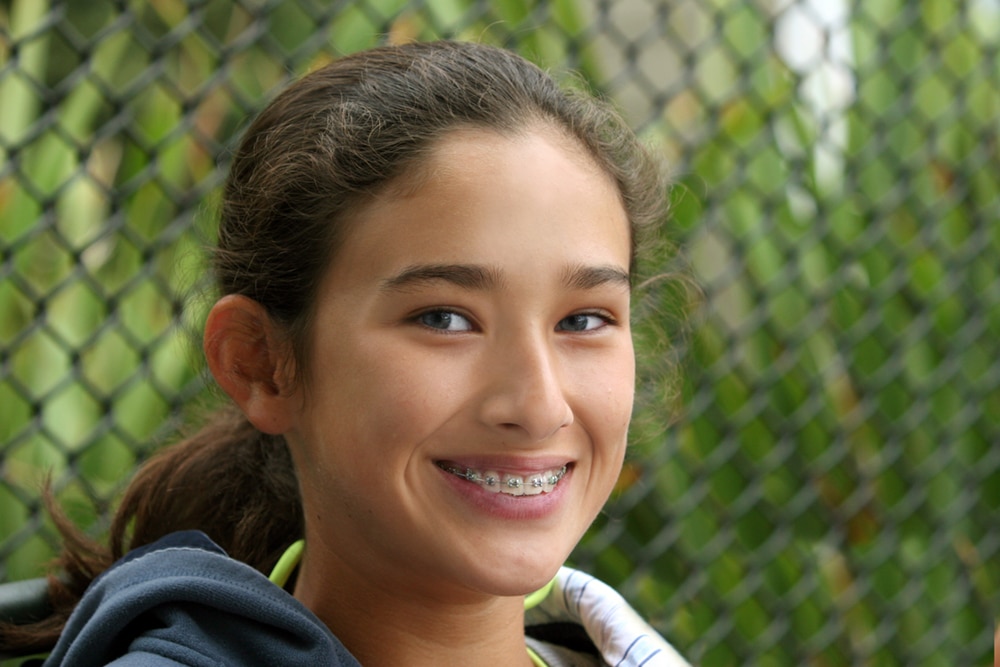
At The Orthodontic Studio, we offer a comprehensive selection of orthodontic techniques to help you achieve straighter teeth. Our experienced orthodontist offers the latest and most effective braces in Basking Ridge and Mendham to optimize your comfort and results. By evaluating your anatomic needs and listening to your cosmetic goals, we can develop a customized treatment plan that provides the best possible experience for you. Learn more about braces in Basking Ridge & Mendham, NJ, and contact us today for more information or to schedule a complimentary consultation.
What Are Traditional Metal Braces?
Metal braces are one of the most common options for teeth straightening and are typically the most recognizable. While earlier versions of this treatment were associated with discomfort, modern enhancements have made numerous improvements in the design.
What Are the Benefits of Metal Braces?
In addition to creating straighter teeth and a more beautiful smile, metal braces offer several important benefits. They are strong, durable, and designed to withstand the everyday wear and tear that can come with treatment for kids, teens, and adults. Because metal braces are less likely to become damaged, treatment may stay on track with fewer delays. Depending on your specific orthodontic needs, metal braces can also be one of the most cost-effective treatment options available. If you are considering braces in Basking Ridge and Mendham, NJ, our team can help you find the right treatment option for your smile goals and lifestyle.
Traditional metal braces are designed to address virtually all forms of misalignment, so even complex cases can often be improved with excellent results.
How Do Traditional Metal Braces Work?
Teeth out of alignment need a little help finding the right position. This is achieved with gentle, continuous pressure. Our traditional metal braces in Basking Ridge and Mendham have a system that is considered more advanced than previous versions of traditional braces. The system works faster due to less friction and requires less frequent appointments with the orthodontist.
Brackets are placed on the teeth, one per tooth, and an archwire is attached to help guide tooth movement. The archwire is held in place with metal brackets. Other components may also help achieve the desired outcome, and our dentists will go over the treatment with you in detail so you know what to expect.
How Much Do Metal Braces Cost?
Many factors go into the price of braces, and your treatment plan may vary in cost from someone else’s for many reasons. According to the Journal of Clinical Orthodontics, the average cost for braces is between $5,000 and $8,000. However, these numbers may not reflect the average price at our practice, as we strive to provide the most affordable rates for our individual patients.
Dental insurance often helps cover the cost of braces, but coverage differs from plan to plan, so you should check with your insurance agent to determine your benefit amount. We believe everyone should have access to a healthy smile, and we can help you find a payment plan that best suits you. We offer many options, including financing, to allow you to decide for your household.
Contact The Orthodontic Studio today to schedule your consultation and receive a personalized cost estimate for braces in Basking Ridge or Mendham.
What Are My Other Braces Options?
Ceramic Braces
If metal is too bold for you, our ceramic braces may be the right choice. The materials are more transparent and, therefore, less noticeable. Older teens and adults typically prefer this style for cosmetic reasons. It’s important to note that good oral hygiene is essential with ceramic braces.
The brackets are also slightly larger, and the material can be more fragile than traditional metal appliances. As a result, ceramic braces are more commonly placed on the top front teeth to reduce the amount of wear and tear. Ceramic braces are a great choice for many individuals, and we are happy to discuss the benefits with you at your appointment.
Invisalign®
Clear, comfortable, and convenient, Invisalign® teeth aligners are inconspicuous and can be removed so you can eat, drink, brush, and floss. The nearly invisible orthodontic appliance has no metal parts, which can reduce discomfort throughout the treatment process. You will wear customized clear aligners that gradually straighten your teeth and improve bite alignment to achieve the desired result.
Self-Ligating Brackets
Self-ligating braces, available from several brands, typically offer a faster, more comfortable treatment experience than traditional braces. Self-ligating braces come in metal and clear models to give you a choice in style and better fit your needs. The brackets require no elastics and cause little to no pressure on the teeth. The revolutionary orthodontic design provides a more hygienic experience, as well. As a result, you can achieve straighter, more beautiful teeth with less hassle.
Do Braces Hurt?
Metal braces are generally described as causing no pain when applied to patients’ teeth; however, patients may experience slight soreness and general discomfort for a brief transition period after they initially receive their braces and when the braces are adjusted. Any soreness or discomfort is usually a sign that the braces are working and adjusting the teeth to a straighter position and should dissipate within a few days.
How Do I Floss with Braces?
Flossing with braces can appear to be a difficult task at first. Generally, patients who have received braces can successfully floss with a floss threader or special orthodontic floss designed to reach the area behind the archwire. The first step is to pass the threader and floss behind the archwire between two teeth.
Then, slide the floss back and forth on the sides of the tooth to remove any plaque or unwanted food particles. Patients should do this for each tooth: floss below the gumline.
How Long Do Braces Take to Straighten Teeth?
The time it takes for braces to show results will vary for each patient, as each individual’s teeth will be in different stages when they start treatment. Patients can expect optimal results within six months to two years. At the initial consultation, your orthodontist will be able to better predict how long you will need to wear braces based on your specific situation. Contact us today to learn more about braces in Basking Ridge and Mendham, NJ.
Will I Need a Retainer After Braces?
Patients will need to wear a retainer for an extended period of time after braces. Retainers are important for treating and maintaining the new alignment of teeth. Following the removal of braces, patients are instructed to wear their retainer full-time for less than a month, except for mealtimes and cleanings. After that, patients are recommended to wear their retainer every night indefinitely. In other words, patients should wear their retainer at night for a lifetime.
Frequently Asked Questions About Metal Braces in Basking Ridge & Mendham
Can I play sports while wearing braces?
You should be able to continue to play sports while wearing braces. However, you should take extra care to protect your teeth and your braces during these activities. Any damage involving the teeth, oral tissues, brackets, and wires can be painful and expensive. Wearing a mouthguard during sports activities, particularly contact sports, can help protect your teeth from the risks of a possible facial impact.
Will braces interfere with playing an instrument or singing?
Braces should not impede you from either activity if you sing or play a musical instrument. However, there may need to be an adjustment period when you engage in these activities for the first time after your braces are placed. Ultimately, it usually does not take long for the mouth to get used to the braces for most individuals.
What can you eat with braces?
There are some foods that you should avoid while wearing braces. While most patients can generally continue eating many of their preferred foods, it is important to be sure that your diet includes softer options that are less apt to get stuck in your braces or create other dental issues. Smoothies, pasta, eggs, and many other soft-food items are part of a broad selection of delicious options that are perfectly safe to eat while wearing braces. Harder or stickier foods–such as candy, popcorn, caramels, chewing gum, and others–should typically be avoided as they can cause significant problems.
Our team can provide you with a list of foods to be wary of and options that should pose no problem with your braces in Basking Ridge or Mendham once your treatment plan is in place.
Should I use a manual or electric toothbrush for braces?
Manual and electric toothbrushes are both viable options for brushing teeth with braces. There are also specific toothbrush sets designed for cleaning braces. These special toothbrushes often have soft and flexible bristles that can reach areas around the brackets that can be difficult to reach with a standard toothbrush. We can advise you on the best oral care options for braces and guide you on the most effective way to keep your teeth fresh and clean.
Will any teeth have to be extracted before I get braces?
Extracting teeth is not required for all patients before braces are placed; however, some individuals may need to remove one or more teeth to achieve the best results. This may be necessary in cases of extreme crowding or flaring of the teeth in certain areas—tooth extraction can allow sufficient room for the realignment of surrounding teeth. During the initial consultation, our orthodontist can determine whether you need a tooth extraction before placing the braces.
Traditional, Self-Ligating & Clear Braces Options
If you’d like to talk more about how braces in Basking Ridge or Mendham can help you achieve straighter teeth, contact our office today. We can answer your questions or help you schedule a complimentary consultation with one of our orthodontists.
Schedule an appointment with Dr. Banasiak to start your journey towards a straighter, healthier smile. To learn more about our orthodontic options, contact The Orthodontic Studio in Basking Ridge and Mendham, NJ, today for more information.
Frequently Asked Questions about Braces
How are ceramic braces different from clear aligners like Invisalign?
Ceramic braces are fixed brackets bonded to your teeth with tooth-colored or clear materials that stay on throughout treatment, while Invisalign uses a series of removable clear plastic trays that you swap out every one to two weeks. Ceramic braces are less visible than metal but still noticeable up close, and they can’t be removed for eating or brushing. Invisalign is nearly invisible from conversational distance and comes out for meals, brushing, and special events, but only works if worn 20 to 22 hours a day. Ceramic braces handle more complex bite corrections and don’t rely on patient compliance, making them a safer choice for teens or anyone who might forget to wear aligners. Invisalign works best for mild-to-moderate crowding and spacing. Cost is often similar between the two options. Dr. Banasiak can walk you through which fits your specific case at a complimentary consultation.
Do ceramic braces stain over time?
The ceramic brackets themselves are stain-resistant and won’t change color during treatment. What can stain are the tiny elastic ties (also called ligatures) that hold the archwire in place, they’re clear or tooth-colored when placed but can pick up color from coffee, tea, red wine, curry, tomato sauce, berries, and smoking. The good news is that these ties are replaced at every adjustment visit (typically every four to eight weeks), so any staining resets when you come in. To minimize discoloration between visits, drink staining beverages through a straw when possible, rinse with water immediately after, and brush thoroughly two to three times a day. Some patients ask for metal ties instead of clear elastic ones, they don’t stain but are slightly more visible. If you’re a heavy coffee or red wine drinker and appearance between visits matters, Invisalign may be worth considering as an alternative since there’s nothing on the teeth to stain.
Can I get braces on just my top or bottom teeth?
Yes, single-arch braces (also called partial or limited orthodontic treatment) are possible in certain cases, and can be a good option for someone with alignment issues confined to just one arch. This works best for cosmetic-only concerns like fixing crowding or a gap in the visible smile line when the bite is otherwise healthy and the opposing arch is already well-aligned. Single-arch treatment often costs less than full braces and typically takes six to twelve months. But there’s an important limitation: moving teeth on just one arch can throw off the bite and how the upper and lower teeth meet, which can cause chewing problems, uneven wear, or jaw discomfort over time. Because of that, orthodontists usually only recommend single-arch treatment after confirming the bite won’t be compromised. An in-person exam is the only reliable way to know if you’re a candidate, schedule a complimentary consultation with Dr. Banasiak to find out.
What actually happens on the day I get my braces put on?
The bracket placement appointment typically lasts one to two hours and is painless. First, your teeth are cleaned and dried, then a mild etching gel is applied for about 30 seconds to prep the enamel surface, this feels like a slightly sour taste and rinses off with water. Each bracket is bonded individually to a tooth using dental adhesive that’s cured with a small blue light, and once every bracket is in place, the archwire is threaded through and secured with elastic ties or the self-ligating mechanism. You’ll leave with instructions on care, a starter kit with orthodontic wax and a special toothbrush, and a follow-up appointment scheduled for four to eight weeks out. You can eat and drink normally right after the appointment, though soft foods are recommended for the first day or two as your teeth start to feel pressure. No numbing shots or drilling are involved. Learn more about what to expect on our Your First Visit page.
How do I get used to talking with new braces?
Most patients notice a slight change in speech during the first three to seven days of wearing braces and adjust to fully normal speech within one to two weeks. The most common issue is a minor lisp or difficulty with “s” and “th” sounds as the tongue learns to work around the new brackets on the front teeth. The best way to speed up adjustment is practice, read aloud from a book, magazine, or article for 10 to 15 minutes twice a day, focusing on words with the sounds giving you trouble. Singing along to music also helps. If a bracket is rubbing against the inside of your lip or cheek and making it hard to talk, apply orthodontic wax over the offending bracket to smooth it out until your mouth toughens up (usually within a couple of weeks). Speech changes are almost never permanent, and by month two, essentially all patients report speaking totally normally.
What color rubber bands should I pick for my braces?
Color choice is one of the fun parts of getting braces, patients pick new elastic tie colors at every adjustment appointment (typically every four to eight weeks), so you can change your look throughout treatment. Popular strategies include picking colors that complement your eye or skin tone, coordinating with school colors for game days, choosing seasonal colors (red and green for December, orange and black for Halloween), or picking your favorite sports team’s colors. Some practical tips: dark colors like navy, purple, and forest green tend to make teeth look whiter by contrast, while yellow, gold, green, and clear elastics can make teeth look more yellow. Clear or tooth-colored ties are the most discreet choice for adults or anyone who wants minimal visibility. Metallic silver looks similar to traditional metal braces. If you change your mind, you’re never locked in, new colors go on at the next visit. Younger patients especially love mixing colors for a custom look.
Can braces move my teeth back if they've already shifted from not wearing a retainer?
Yes, braces (or Invisalign) can absolutely correct teeth that have shifted after a previous round of orthodontic treatment, this is called orthodontic retreatment and is extremely common. Studies suggest that roughly 20 to 30 percent of adult orthodontic patients are people who had braces years earlier and stopped wearing their retainer, allowing teeth to drift back toward their original positions or into new positions of misalignment. Retreatment is often faster and less expensive than the original treatment because the movement needed is usually smaller. Options include a shorter round of traditional braces, Invisalign for milder relapse cases, or in some cases just a new retainer if the shifting was very minor. The critical part is committing to wearing your retainer indefinitely afterward, this time nightly, for life. Learn more on our Retainers page.
Are lingual braces (braces behind the teeth) an option?
Lingual braces are a real orthodontic option, the brackets are bonded to the back (tongue-side) surfaces of your teeth instead of the front, making them essentially invisible from the outside. They can correct the same range of issues that traditional braces treat, including complex cases that clear aligners can’t handle. That said, they come with trade-offs. Lingual braces are typically more expensive than traditional braces or Invisalign, take longer to place, and have a longer adjustment period, most patients experience more tongue soreness and speech changes (usually a temporary lisp) than they would with front-facing braces. Not every orthodontist offers them, since they require additional specialized training. For most patients seeking a discreet option, Invisalign or ceramic braces provide most of the cosmetic benefit at lower cost and with an easier adjustment. If you’re specifically interested in lingual braces, contact our office to discuss whether they’re available and appropriate for your case.
How do I brush and clean around ceramic braces without damaging them?
Ceramic brackets are more fragile than metal ones and can chip or debond if hit with too much force, so use a soft-bristled toothbrush (never medium or hard) and brush gently in small circles rather than aggressive back-and-forth scrubbing. An electric toothbrush works well but keep it moving rather than pressing hard on a single bracket. Brush after every meal or at least twice a day, angling the brush toward the gumline and again along the top and bottom of each bracket to catch food particles trapped around the edges. For flossing, use a floss threader with waxed floss (unwaxed floss can shred on ceramic edges) or a Waterpik with the orthodontic tip. Avoid whitening toothpastes, since they can cause your natural teeth to whiten around the bracket area while the covered enamel stays its original shade, creating a two-toned look after braces come off. A daily fluoride rinse adds extra decay protection around the brackets.
Where can I get braces near Basking Ridge or Mendham, NJ?
The Orthodontic Studio offers braces at two convenient New Jersey locations. Our Basking Ridge office is at 65 S Maple Ave, Basking Ridge, NJ 07920 (908-766-2444), and our Mendham office is at 5 Cold Hill Rd S., Unit 12, Mendham, NJ 07945 (973-543-6644). Both offices are led by Dr. Kenneth Banasiak, a board-certified orthodontist who has treated patients ages 6 to 85 throughout Somerset County, Morris County, and surrounding communities including Bernardsville, Bedminster, Chester, and Morristown. We offer traditional metal braces, ceramic braces, self-ligating braces, and Invisalign clear aligners, so every patient can find a treatment option that fits their smile goals and lifestyle. Initial consultations are complimentary and give you a full treatment plan and personalized cost estimate, request an appointment online or call the office nearest you.